
- Author
-
-

- User
- Flixsendblog
- Posts by this author
- Posts by this author
-
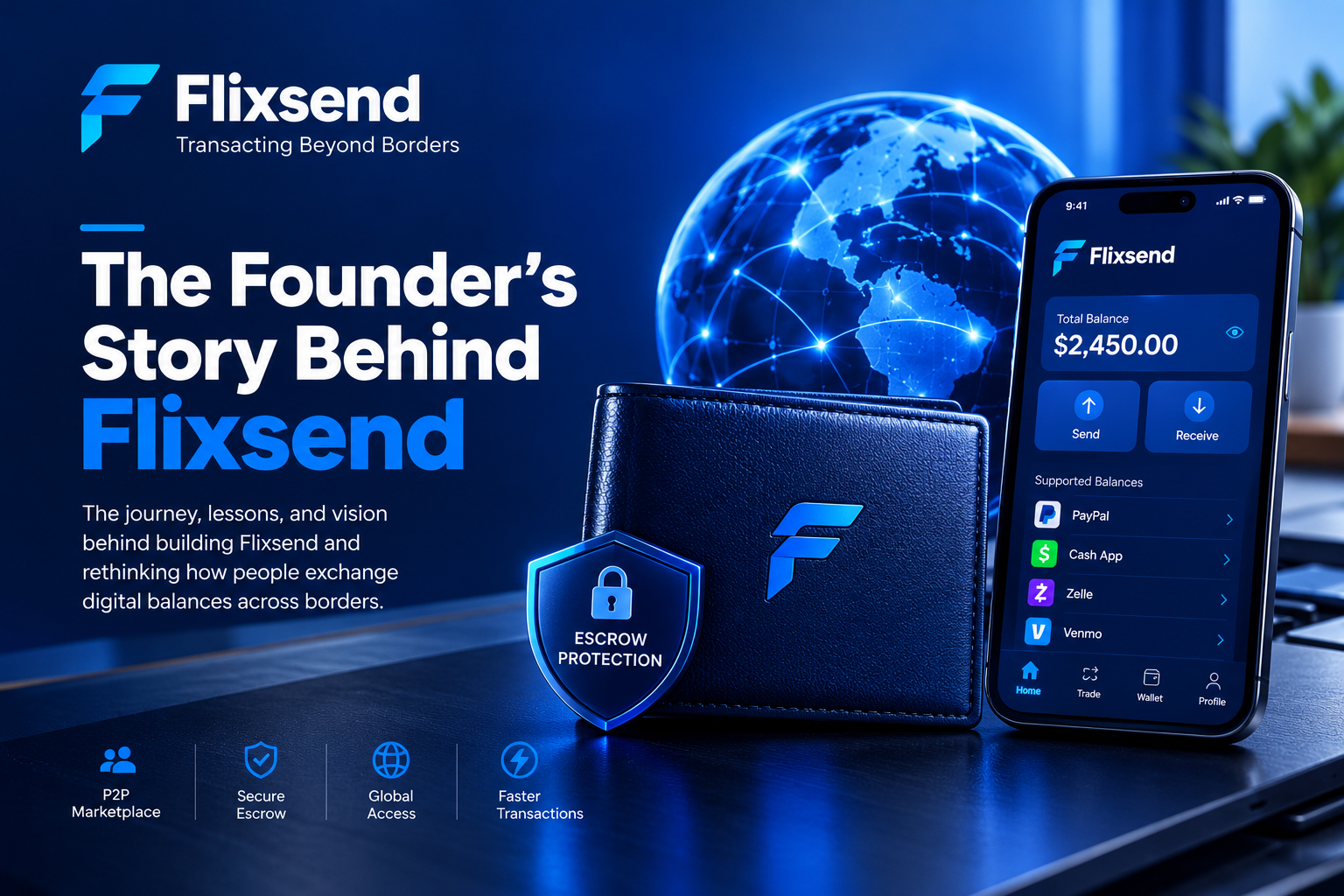
The Founder’s Story: How Flixsend Came to Life
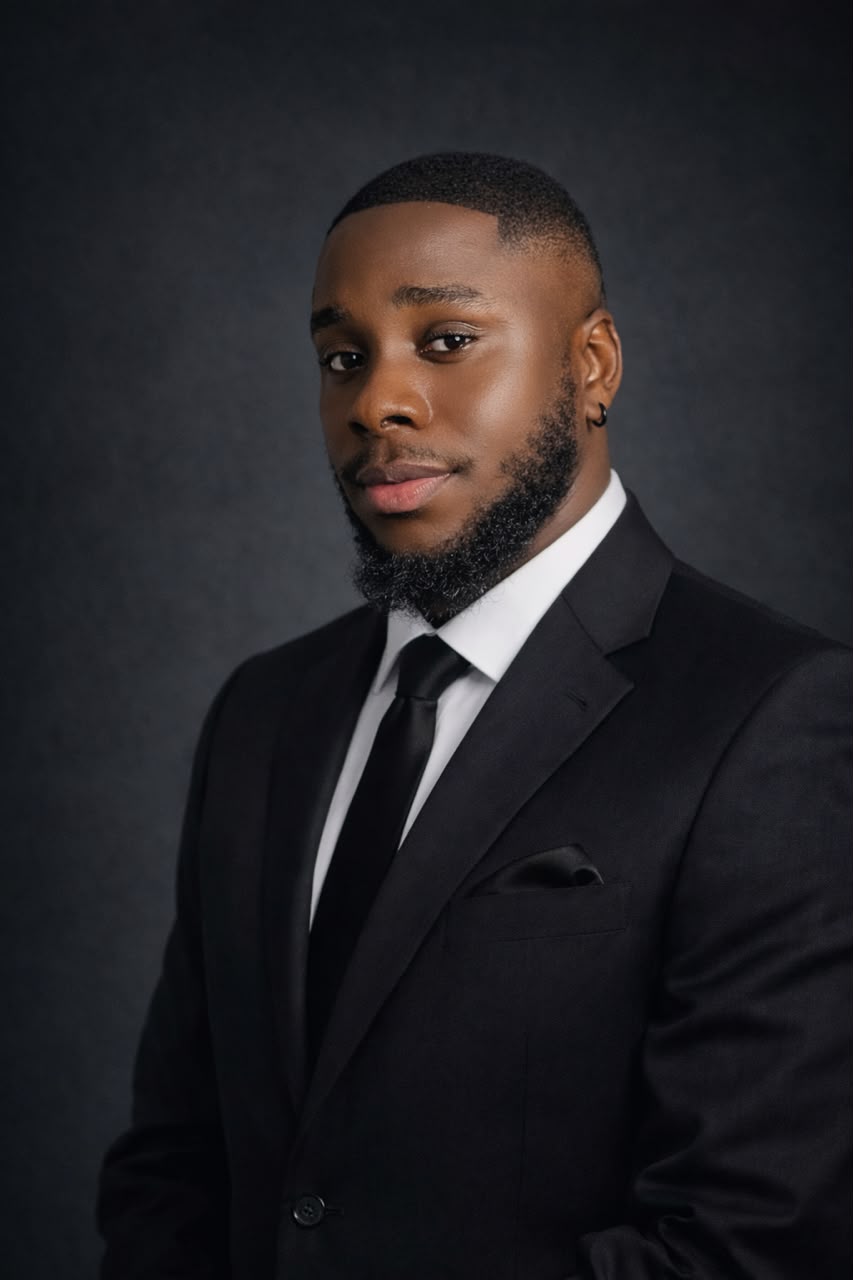
Years of building, setbacks, financial sacrifices, and market research shaped the journey of Ebube Onuzor and the creation of Flixsend, a peer-to-peer marketplace for supported digital balances.
About the Founder
Ebube Onuzor is the founder of Flixsend, a Nigerian technology entrepreneur and web developer with a background in software development, digital products, and fintech innovation.
Through his experience building technology platforms and launching digital businesses, Ebube has gained valuable insights into product development, market research, compliance, and the realities of entrepreneurship.
His journey has involved building, testing, and rebuilding ideas across different industries. Some ventures succeeded for a time before eventually folding, while others never reached their full potential. Each experience helped shape his approach to business and the vision behind Flixsend.
Today, Ebube is focused on developing Flixsend into a peer-to-peer marketplace for supported digital balances, with a mission to make digital transactions more accessible across borders.
His philosophy is simple: learn from every setback, build with purpose, and keep moving forward.
Introduction: A Journey Built on Experience
Every business has a story. Some begin with immediate success, while others emerge from years of setbacks, difficult decisions, and lessons learned the hard way.
For Flixsend, the journey was anything but straightforward.
Before reaching its current direction, there were other businesses, ambitious projects, financial sacrifices, and ventures that ultimately did not survive. Each represented an attempt to solve a problem, build something meaningful, and create a sustainable business.
Not every attempt succeeded. But every experience contributed to a bigger vision: making it easier for people to transact across borders.
Flixsend was registered in June 2024, but the experiences that shaped its creation began years earlier. From building a bill payment application to operating a digital asset exchange business, exploring a streaming platform, and launching a WhatsApp virtual number bot, each venture revealed something new about entrepreneurship, technology, market demand, and the challenges of building a sustainable business.
This is the story of how Flixsend came to life, the failures that shaped its direction, and the lessons that continue to influence its future.
2021: The Beginning with FASTEL
My entrepreneurial journey in digital financial services began in 2021, when I founded FASTEL, a bill payment application designed to make everyday transactions easier.
The business operated for approximately a year before eventually folding.
At the time, I was learning what it truly meant to build and operate a fintech business. I discovered that having a functional application was only one part of the challenge. The bill payment market was becoming increasingly competitive, with numerous providers offering similar services.
Standing out required more than simply providing a service that already existed. It required a clear understanding of the market, a compelling value proposition, and a reason for customers to choose one platform over another.
That experience taught me an important lesson: a working product does not automatically translate into a sustainable business.
Despite the setback, I was not ready to give up on entrepreneurship.
I decided to try again, this time with a broader vision.
2023: Building PREMIER SWAP NG
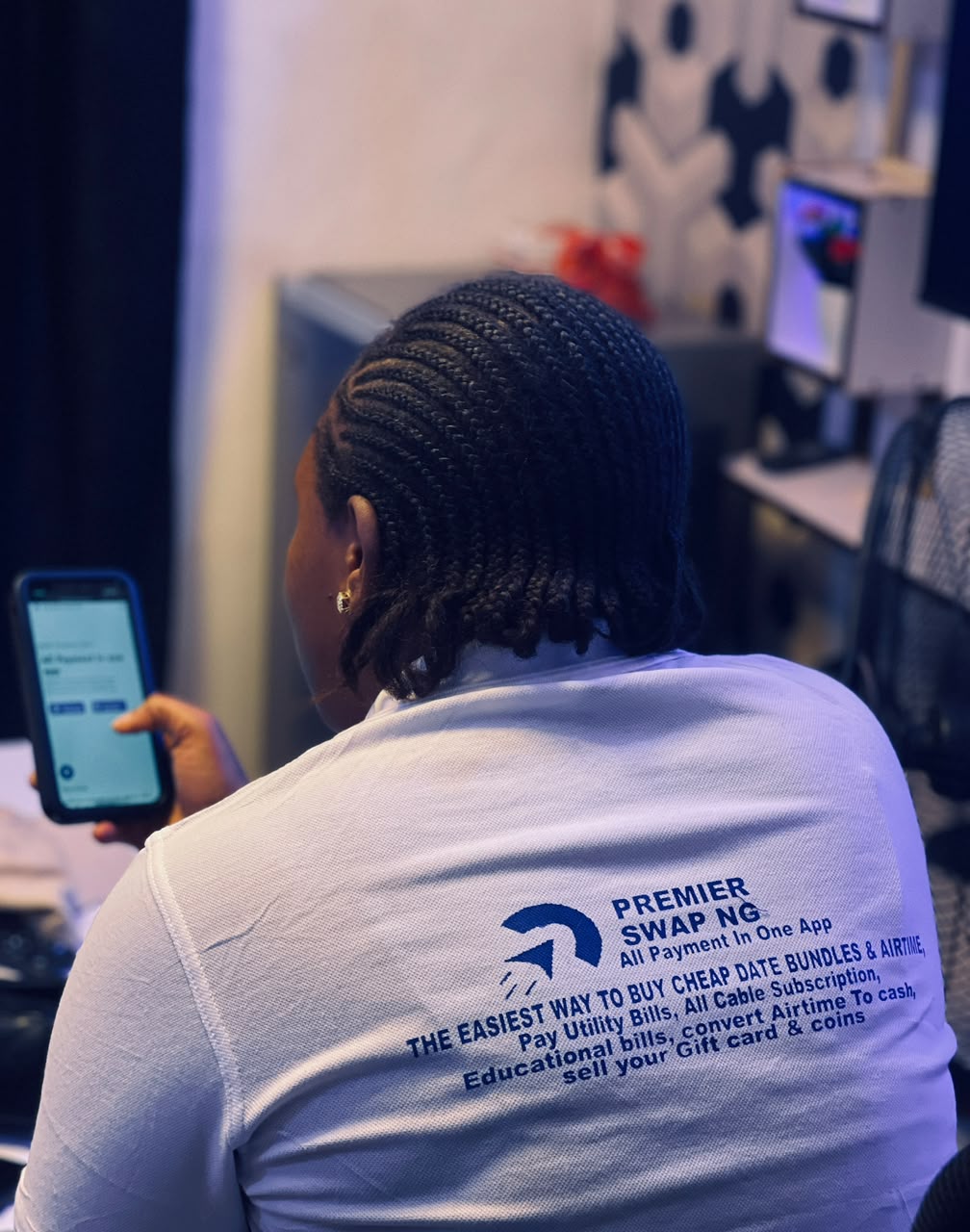
In 2023, I founded PREMIER SWAP NG, a registered company that expanded beyond traditional bill payments into a broader range of digital financial services.
The platform offered cryptocurrency trading, gift card buying and selling, airtime-to-cash conversion, bill payments, and other services designed to help people manage and exchange digital value.
For a while, things looked promising.
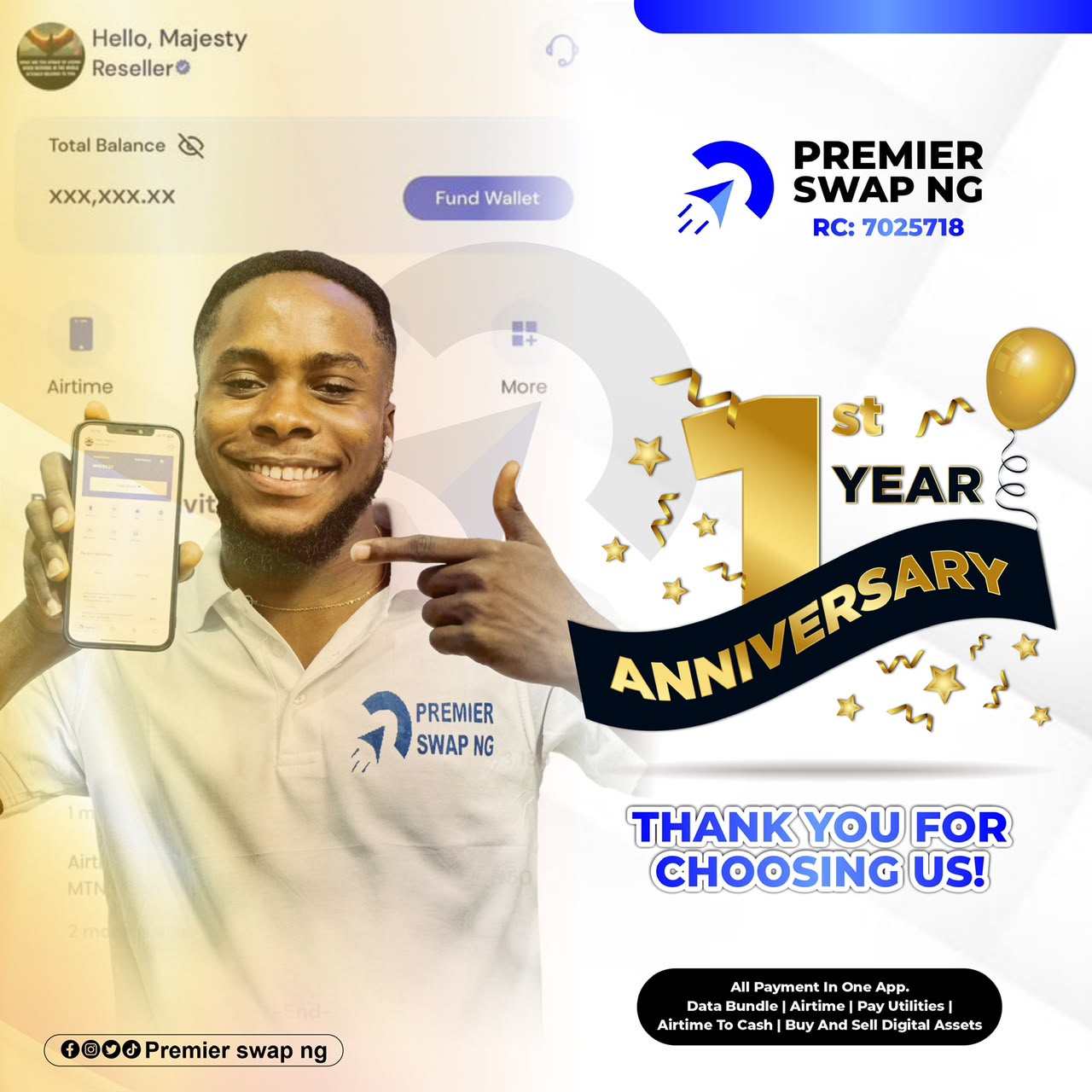
The company received an award and became involved in the fintech ecosystem, including sponsoring fintech events. These milestones represented meaningful progress and demonstrated that the work was gaining recognition.

However, recognition alone could not eliminate the challenges of operating in a crowded market.
Competition remained intense, and expanding the number of services did not necessarily create the differentiation needed to sustain the business over the long term.
After approximately one year and six months, PREMIER SWAP NG collapsed.
It was a painful experience, particularly because of the time, money, and effort invested in building the company. But it also forced me to confront a question that would eventually shape the direction of Flixsend:
What if the next step wasn't to build another version of what already existed, but to find a problem that existing solutions had failed to address adequately?
That question stayed with me.
The Streaming Platform That Never Reached Its Potential: VIEWSPEDAL
Following the collapse of PREMIER SWAP NG, I stepped away from fintech and explored a completely different industry.
I began developing VIEWSPEDAL, a streaming platform that combined elements of YouTube and Netflix, with an additional feature I believed could offer a different experience from existing platforms.
It was another ambitious project. Once again, I invested my time, technical skills, and resources into bringing an idea to life.
Unfortunately, funding became a major obstacle. The project eventually collapsed before it could reach its potential.
After experiencing setbacks across multiple ventures, I took a break from building businesses.
It was a period of reflection. I still had a bigger picture in mind, but I was beginning to understand that ambition alone was not enough. Technical ability, hard work, and a promising idea could take a product a long way, but they could not replace sound market research, adequate funding, and a sustainable business model.
I needed to approach future opportunities differently.
Before committing significant resources to another project, I needed to understand the market, the risks, and the problem I intended to solve.
June 2024: Registering Flixsend and Rethinking the Original Vision
In June 2024, I registered Flixsend as a fintech company.
The original product concept focused on bill payments, virtual card generation, and the provision of USD, GBP, and EUR accounts.
The plan was to build a financial technology platform that could provide users with access to several digital financial services in one place.
However, as I explored the requirements for bringing the product to market, compliance challenges emerged that required serious consideration.
Rather than proceed with a launch before adequately addressing those requirements, I decided to stop the planned launch and dismantle the initial product.
It was a difficult decision, especially after investing time and resources into the original vision. But I had begun to understand that continuing with a product simply because work had already been done was not always the right decision.
Sometimes, the more responsible choice is to pause, reassess, and change direction.
Flixsend remained the company I wanted to build, but the product itself needed to be reconsidered.
That decision marked the beginning of a longer period of research, experimentation, and reassessment. I wanted to identify an opportunity that addressed a genuine need while giving the business a clearer direction.
2025: The WhatsApp Virtual Number Bot That Didn't Last — VERIFI SIM

In 2025, while continuing to explore opportunities in the digital services market, I launched VERIFI SIM, a WhatsApp bot that allowed people to purchase virtual phone numbers from different countries for app verification.
The idea was to make the purchasing process more convenient. Instead of navigating a traditional website, users could interact with the bot through WhatsApp, select a supported service, and request a virtual number for account verification.
The bot operated for several months before I eventually discontinued it.
The experience exposed two significant challenges.
First, the market was highly saturated.
Numerous providers were already offering virtual numbers for app verification. Competition was intense, and finding a sustainable position in the market was difficult without a reliable supply chain and a clear competitive advantage.
Second, the reliability of third-party number suppliers became a major obstacle.
The service depended on external APIs to source virtual numbers. Unfortunately, the availability and performance of those providers were inconsistent. Numbers could fail to receive verification messages, become unavailable, or fail to work with the applications users wanted to verify.
This created a difficult operational problem. Even when the WhatsApp bot itself worked correctly, the service depended on external suppliers whose performance I could not fully control.
For a product built around verification, reliability was essential. Customers expected numbers that worked, and repeated failures made it difficult to deliver the consistent experience they deserved.
Eventually, I decided to discontinue the project.
The experience reinforced an important lesson: a technically functional product can still fail when the underlying service it depends on cannot consistently deliver.
It also taught me to look beyond the apparent demand for a product and examine the infrastructure, suppliers, and operational conditions required to serve customers reliably.
The market may offer an attractive opportunity, but if the supply chain is unstable and the competition is intense, sustaining the business becomes significantly more difficult.
Once again, I had invested in an idea, learned from the experience, and moved forward with a better understanding of what building a sustainable technology business requires.
2024–2025: Research, Reflection, and a Change in Direction
The period between 2024 and 2025 became a turning point in the development of Flixsend.
Although the company had been registered in June 2024, the original product direction needed to be reconsidered. At the same time, my experiences with other ventures continued to shape how I evaluated opportunities.
Rather than rushing into another launch, I spent time studying markets, evaluating business models, researching compliance requirements, and examining the strengths and weaknesses of existing solutions.
I began asking more important questions:
- What problems are people still struggling to solve?
- Which markets are becoming too crowded?
- Where are existing products falling short?
- What regulatory and compliance requirements must be understood before development begins?
- Is there a genuine opportunity to build something meaningfully different?
- Can the business model support the product beyond its initial launch?
- Can the service be delivered reliably without depending on unstable suppliers?
These questions changed the way I evaluated business opportunities.
I learned that building a product simply because other companies were doing it was not a sustainable strategy. A crowded market could still contain opportunities, but entering it required a clear reason to exist and a better understanding of what customers actually needed.
My experiences also reinforced the importance of understanding compliance before investing heavily in fintech development. Regulatory considerations had to inform the business model, product design, partnerships, and operational strategy from the beginning.
Funding was another important lesson. A good idea and a working product matter, but customer acquisition, trust, security, compliance, and day-to-day operations all require resources.
The goal was no longer simply to build something new.
The goal was to identify a genuine problem, understand the challenges behind it, and build a business around solving it responsibly.
This process eventually led to a different vision for Flixsend.
The Birth of Today's Flixsend
During my research, I became increasingly interested in the challenges people encounter when exchanging digital balances across different platforms and markets.
Services such as PayPal, Cash App, Zelle, and Venmo operate within their own ecosystems, with different eligibility requirements, geographic availability, terms, and restrictions. Depending on their circumstances, users may find it difficult to access a suitable exchange option for the value they hold in a supported payment service.
I began exploring whether a different marketplace model could help address part of that problem.
Rather than positioning Flixsend solely as a company that directly buys and sells every balance, the vision shifted toward creating a peer-to-peer marketplace for supported digital balances.
The concept draws inspiration from a model familiar to users of cryptocurrency peer-to-peer marketplaces: people can discover available offers, compare terms, and connect with suitable trading counterparties.
Flixsend applies this marketplace approach to supported digital payment balances, rather than making cryptocurrency the focus of the platform.
The aim is to create a structured environment where eligible users can discover offers, review transaction terms, and participate in exchanges under the platform's applicable rules and safeguards.
This direction brought the company closer to the kind of problem I wanted to address: helping people discover suitable counterparties when exchanging supported forms of digital value.
It was not simply about adding another feature to an existing financial platform. It was about building around a specific marketplace concept.
This is the foundation of the Flixsend we are building today.
Our vision is captured in a simple idea:
Flixsend — Transacting Beyond Borders.
From an MVP to a Bigger Launch
In early 2026, Flixsend launched its minimum viable product (MVP).
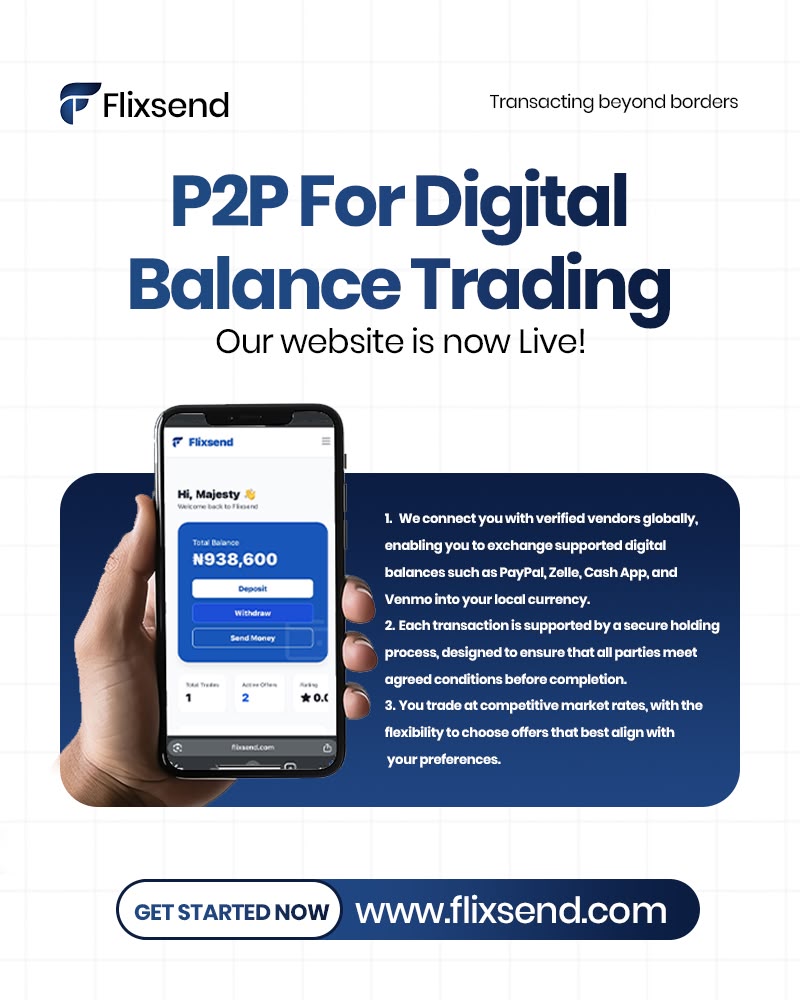
An MVP is not the finished destination. It is an opportunity to introduce a working version of a product, observe how people interact with it, identify gaps, and gather feedback that can inform future improvements.
For Flixsend, this stage marked an important milestone. After years of experimentation, setbacks, and reassessment, there was finally a product through which the vision could begin to take shape.
But launching the MVP was only the beginning.
The next phase involves improving the user experience, strengthening the underlying systems, refining marketplace operations, and preparing the platform for a broader launch.
It also means continuing to evaluate the requirements associated with supporting different digital payment services and markets.
This time, the objective is not simply to launch quickly. It is to build with a clearer understanding of the market, the regulatory environment, customer expectations, and the resources required to sustain the business.
The ambition remains significant, but the approach is more deliberate.
The Real Cost of Building—and the Lessons of Failure
Behind every startup is a story that the public rarely sees.
Across my ventures, I spent millions of naira developing products, hiring developers, paying team members, and trying to keep businesses operational.
Being a developer myself did not mean I could build and sustain everything alone. Ambitious products require collaboration, professional expertise, infrastructure, and financial commitments that extend far beyond writing code.
Not every investment produced the outcome I had hoped for.
Some businesses folded. Another project never received the funding needed to reach its potential. The virtual number bot struggled with supply reliability and market saturation. Plans changed, resources were spent, and expectations had to be reconsidered.
But those experiences taught me lessons that continue to influence how I approach Flixsend.
1. Don't build simply because everyone else is building.
A popular industry is not automatically the right opportunity. Understanding the market, identifying an unmet need, and establishing a clear value proposition are essential before committing significant resources.
2. Understand compliance before making major investments.
In fintech, regulatory requirements can shape the entire business model. They should be considered early, not treated as an afterthought once development is complete.
3. Research before building.
Customer needs, competitive analysis, market conditions, and business-model validation can help determine whether an idea deserves further investment before substantial resources are committed.
4. Evaluate your suppliers and infrastructure.
When a business depends on external APIs or third-party service providers, their reliability becomes part of the customer experience. A product can only deliver consistent results when the systems and services behind it are dependable.
5. Recognize the importance of funding.
Capital does not guarantee success, but insufficient funding can limit a company's ability to execute its plans, meet obligations, build trust, acquire customers, and remain operational.
6. Learn when to change direction.
Not every idea deserves to be pursued indefinitely. Sometimes, the experience gained from a project is valuable, even when the original business does not survive.
These are not lessons I learned from theory alone. They came from the experience of building, making mistakes, facing setbacks, and deciding what to do next.
Why Flixsend Takes a Different Approach
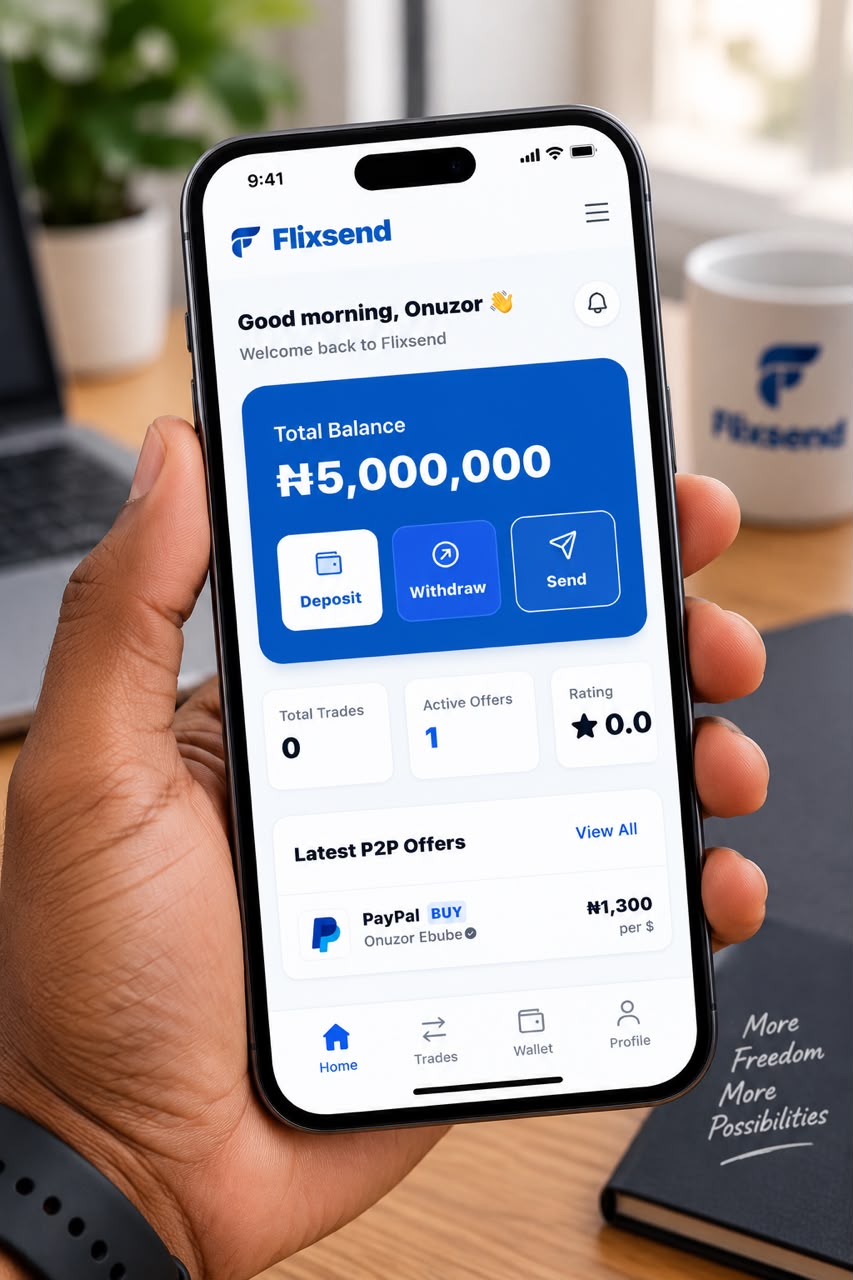
Flixsend is being built around a specific idea: a peer-to-peer marketplace where users can discover offers for supported digital balances and connect with suitable trading counterparties.
Rather than relying exclusively on a direct company-to-customer exchange model, the marketplace approach is intended to give users a way to explore available offers and compare transaction terms.
We believe there is an opportunity to improve how people discover exchange options and connect with trading partners across supported markets.
However, a marketplace is only useful if people can use it with confidence.
That means the challenge extends beyond building an attractive interface or matching buyers and sellers. It also involves transaction security, identity verification where required, fraud prevention, dispute resolution, clear terms, and compliance with applicable laws and payment-service rules.
These considerations are part of the work required to develop Flixsend responsibly.
Our ambition is to establish a useful and trusted marketplace that addresses real customer needs while creating a foundation for long-term growth.
We know that earning trust takes time. It requires consistent execution, transparent processes, responsible operations, and a willingness to improve as the platform evolves.
Looking Ahead: Building With Experience
Flixsend is still on its journey.
FASTEL did not become the business I had hoped it would. PREMIER SWAP NG eventually collapsed. VIEWSPEDAL never received the funding needed to reach its potential. VERIFI SIM struggled with an unreliable supply chain and an intensely competitive market. And Flixsend's original product concept had to be reconsidered before the company could move forward with its current direction.
Each experience came with its own disappointments, but each also contributed to a better understanding of what it takes to build a sustainable technology business.
Today's Flixsend represents a more deliberate approach: research before building, a clearer market focus, and a commitment to addressing a specific problem.
There is still work to do. There are customers to reach, systems to improve, partnerships to develop, and operational and regulatory challenges to navigate.
Building a marketplace that people can trust will require patience, resources, collaboration, and continuous learning.
But this time, the journey is informed by years of experience—including the mistakes.
The story of Flixsend is not a story of overnight success. It is a story of persistence, reflection, and the decision to return with a better understanding of what needs to be built and why.
Sometimes, the road to the right idea runs through several ideas that didn't work.
For me, that road led to Flixsend.
And this is only the beginning.
Flixsend is a peer-to-peer marketplace focused on supported digital balances, with a vision of making cross-border transactions more accessible. Service availability and eligibility depend on supported services, applicable terms, and regulatory requirements.